Timeline carousel. Use the Tab key to move to links in each slide.
Use the left and right arrow keys to move between slides.
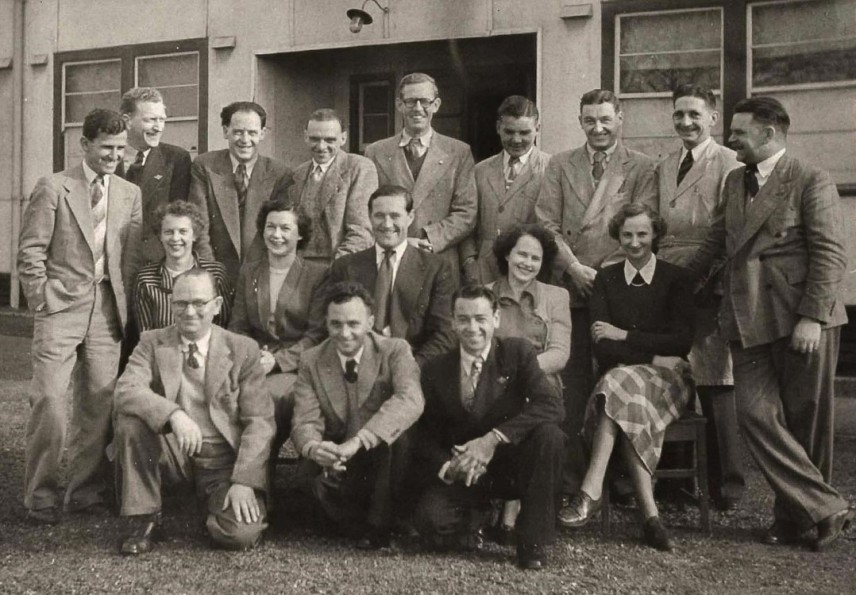
FRUMEL and Central Bureau established
Two signals intelligence agencies were established in Australia during World War II: Fleet Radio Unit Melbourne (FRUMEL) and Central Bureau. These agencies were the predecessors for what is now known as the Australian Signals Directorate (ASD).
FRUMEL personnel were from the Australian and US navies. They worked to intercept and report on Japanese navy communications in the Southwest Pacific.
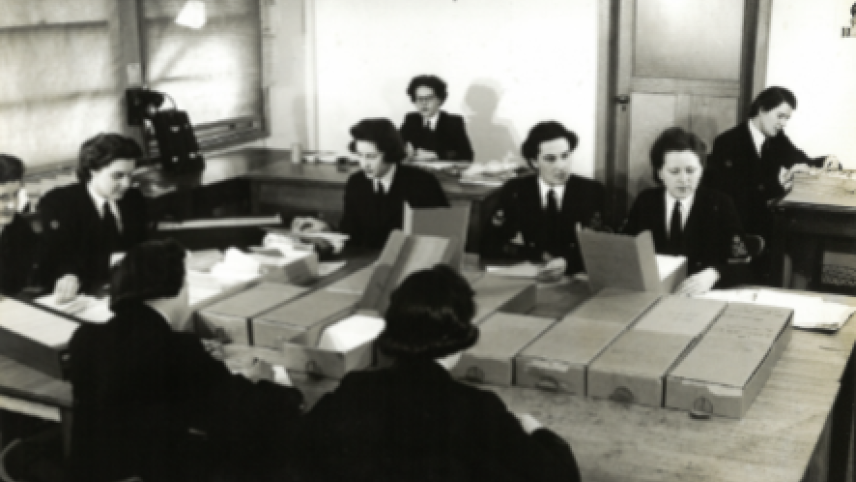
Women’s Royal Australian Naval Service (WRANS) in the filing room at FRUMEL (NAA 7648060).
Central Bureau
Central Bureau was formed in Melbourne, Australia in 1942. Central Bureau included personnel from Australia, the US, the UK, Canada, and New Zealand.
Central Bureau was responsible for intercepting Japanese messages and tracking who was sending and receiving. They also worked to break Japanese codes and ciphers.
Find out about the Garage Girls who worked at Central Bureau.
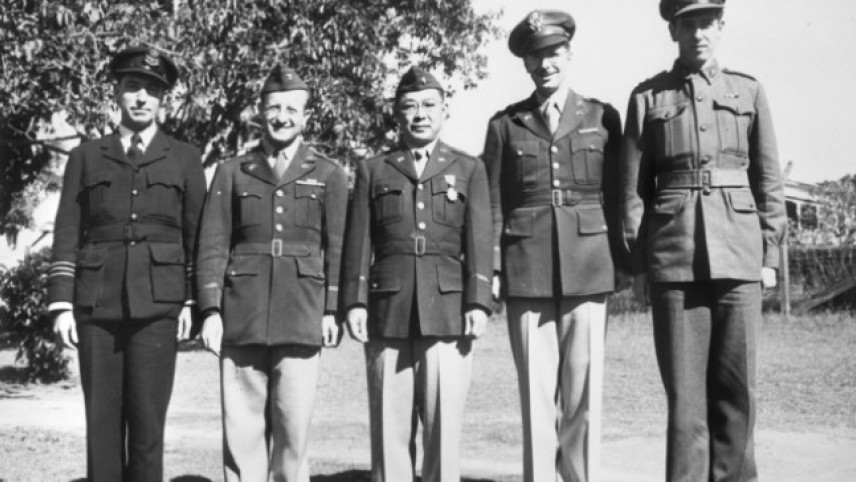
Executive leaders of Central Bureau celebrate Captain Yamagata’s US Legion of Merit award (AWM C244805).
FRUMEL assists in the victory of the Battle of Midway
FRUMEL’s decrypting of messages helped the Allies locate where the Imperial Japanese Navy was planning to attack next. FRUMEL played a key role in the Allied victory at the Battle of Midway.
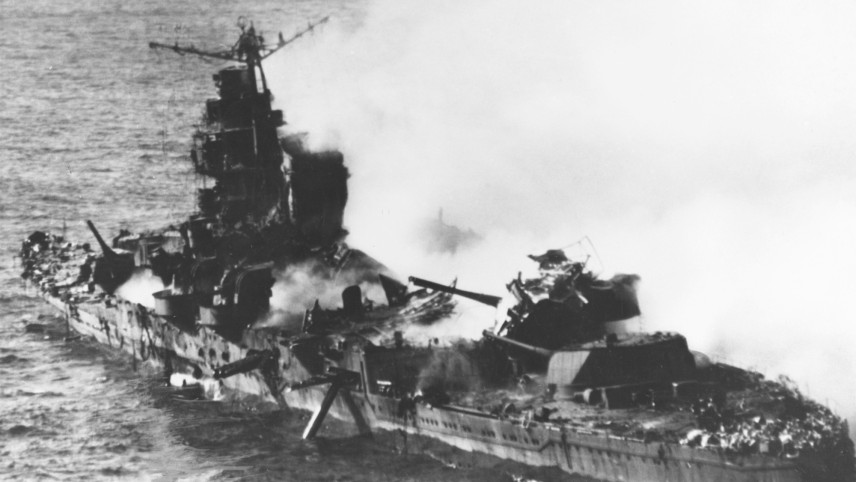
Japanese navy ship sinks after attacks by US aircraft during the Battle of Midway (AWM C260258).
Central Bureau moves to Brisbane
Central Bureau moved its headquarters from Melbourne to Brisbane in September 1942. The Bureau moved to support then Allied Commander in Chief, General MacArthur, and his forces. Its headquarters was in a suburban Brisbane mansion named ‘Nyrambla’.
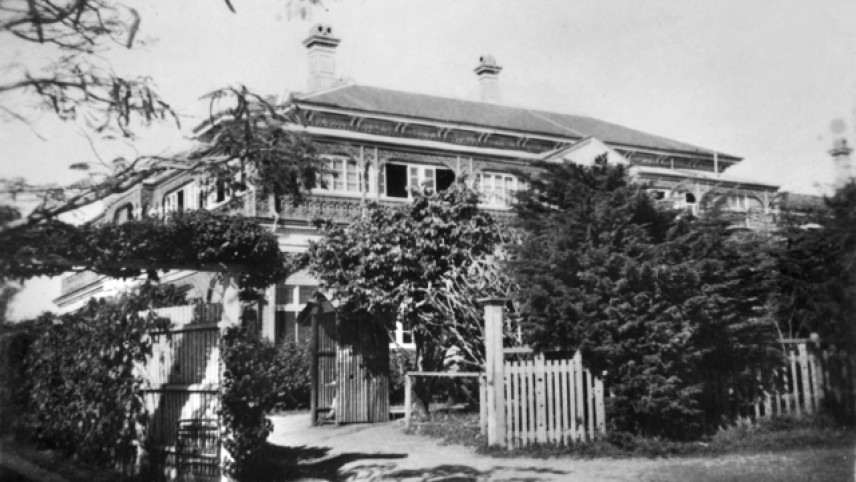
Central Bureau’s headquarters in ‘Nyrambla’, at 21 Henry Street, Ascot, Brisbane (AWM C40606).
Central Bureau personnel deploy internationally
Central Bureau deployed personnel from Brisbane to the Philippines, Papua New Guinea and Hollandia (Dutch New Guinea). They supported Allied forces to retake occupied territory.
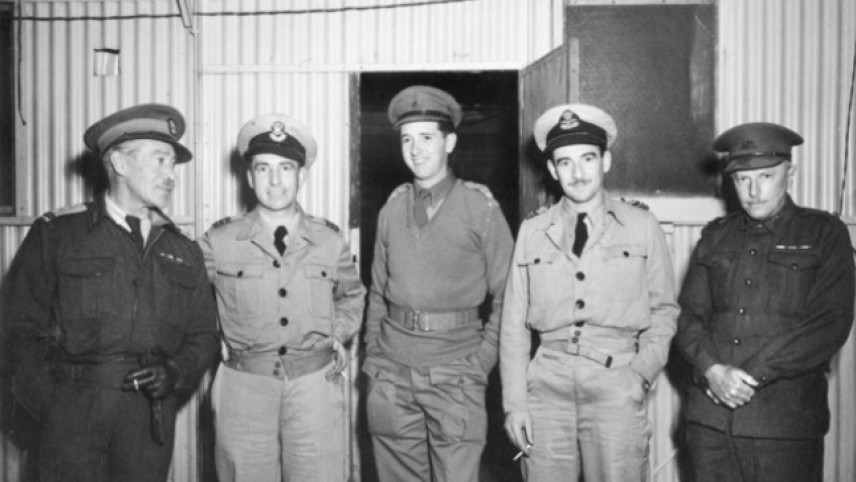
Left to right: Unknown; WGCDR H. Roy Booth, RAAF, Dep. Director Central Bureau; LTCOL Alastair (Mic) Sandford, AIF, Dep. Director Central Bureau; SQNLDR W. (Bill) J. Clarke, RAAF, CSO Central Bureau; LTCOL Jack Ryan, CO of the Australian Special Wireless Group (AWM C39512).
Japan surrenders, marking the end of World War II
On 2 September 1945, Japan’s Foreign Minister (Mamoru Shigemitsu) signed the Japanese Instrument of Surrender. This surrender ended the War in the Pacific. Due to the end of hostilities, FRUMEL and Central Bureau reduced in size as Allied staff returned home.
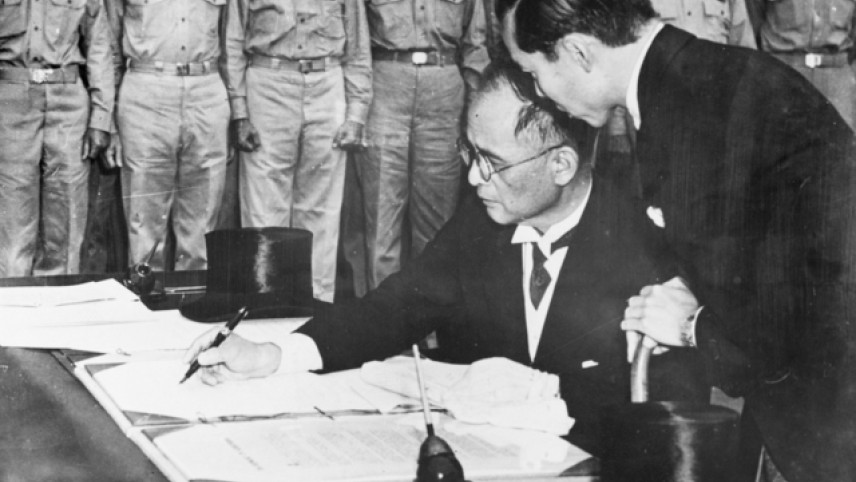
2 September 1945. Japan’s Foreign Minister, Mamoru Shigemitsu, signs the Japanese Instrument of Surrender aboard USS Missouri in Tokyo Bay, Japan (AWM C13713 and 040962).
Defence Signals Bureau is established
In April 1947, the Defence Signals Bureau was established at Albert Park Barracks, Melbourne. DSB provided signals intelligence and cypher security for the Australian Government. DSB eventually became today’s ASD.
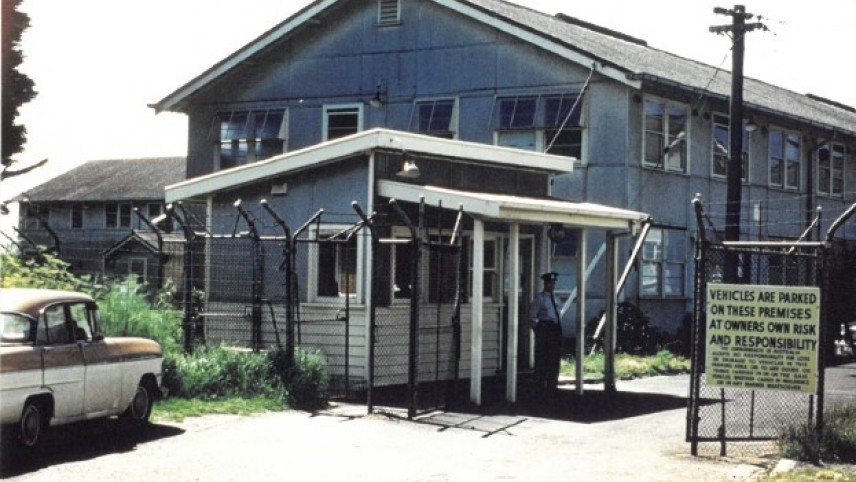
A photo of DSB’s original headquarters in Melbourne, Australia.
DSB’s first Director
DSB’s first Director was a British Admiralty Officer, John ‘Teddy’ Poulden CBE RN.
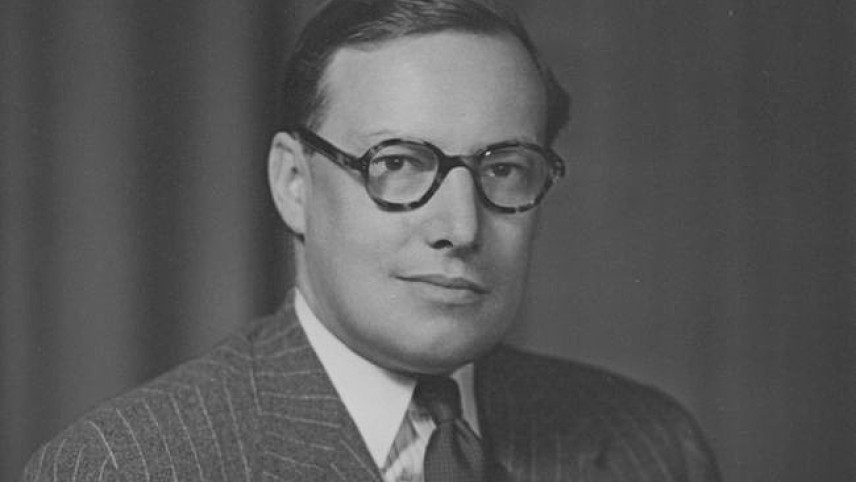
DSB’s first Director, John 'Teddy' Poulden CBE RN (Crown Copyright, reproduced by kind permission of Director GCHQ).
First Australian Director is appointed
Ralph Thompson OBE became the first and longest serving Director of DSB. Thompson was a WWII veteran who expanded DSB from a small branch to a high-tech intelligence agency.
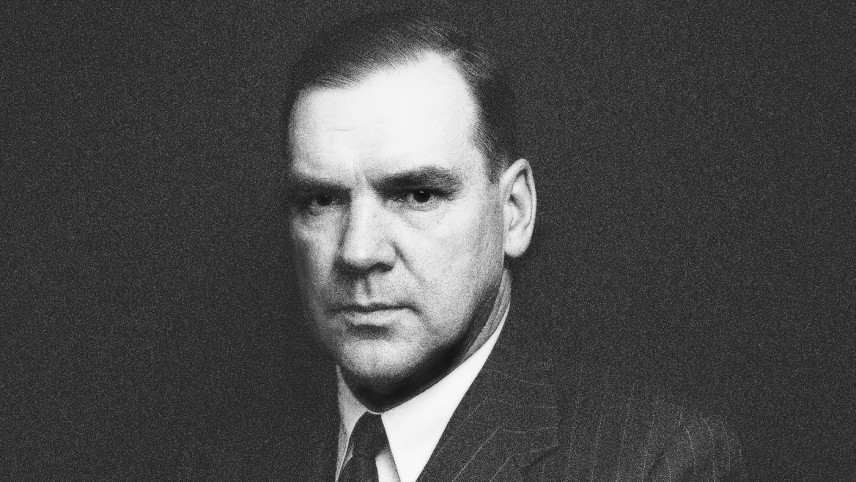
DSB’s first and longest serving Director, Ralph Thompson OBE (ASD Records).
DSB joins the ‘Five Eyes’ international intelligence partnership
Australia signed the UKUSA Agreement ‘Five Eyes’ intelligence partnership in 1956. DSB delivered key, innovation, capability, expertise and ‘reach’ within the Five Eyes. DSB and its work within the Five Eyes remained a secret from the public for 2 decades.
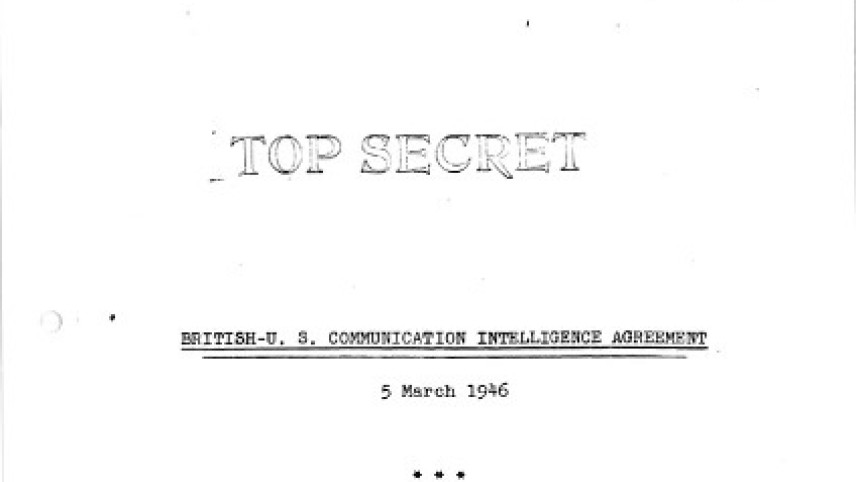
UKUSA Agreement Title page, 5 March 1946 (NAA, HW 80/4).
DSB is renamed to the Defence Signals Division
In 1964, DSB continued to grow in size and capability. To recognise this growth, DSB was renamed to Defence Signals Division (DSD).
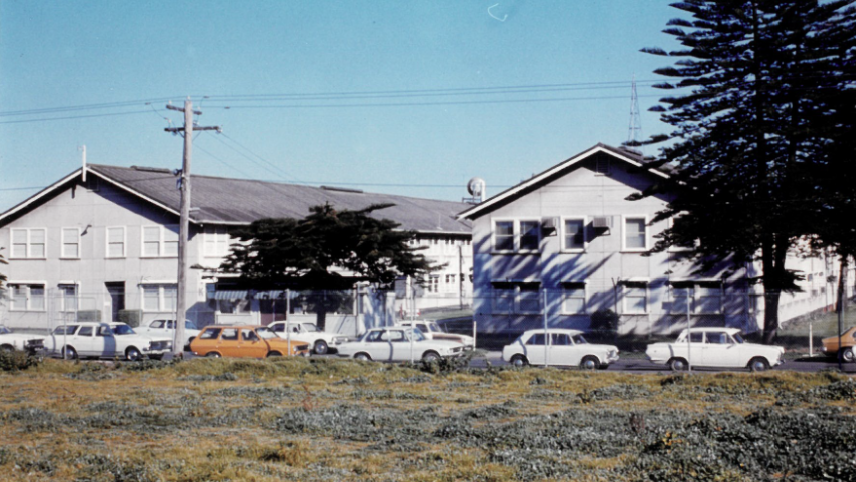
Albert Park Barracks, as seen from the street (ASD Records).
DSD assists during Indonesian-Malaysian confrontation (Konfrantasi)
In 1964, DSD supported Operation CLARET. DSD produced signals intelligence to assist its British and Malaysian allies to defend against attacks from Indonesian insurgents during the Konfrontasi.
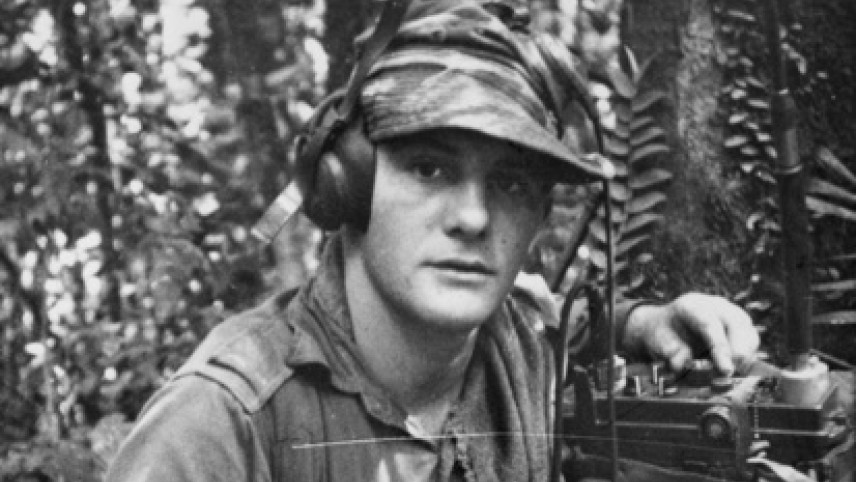
Picture of Private John Young in a jungle near Bokah, Borneo during Operation CLARET (AWM C1127185).
DSD supports 547 Signal Troop
DSD provided Liaison Officers in Vietnam to support US and Australian military operations. 547 Signal Troop monitored and intercepted enemy communications and, in doing so, located and identified enemy radio transmitters.
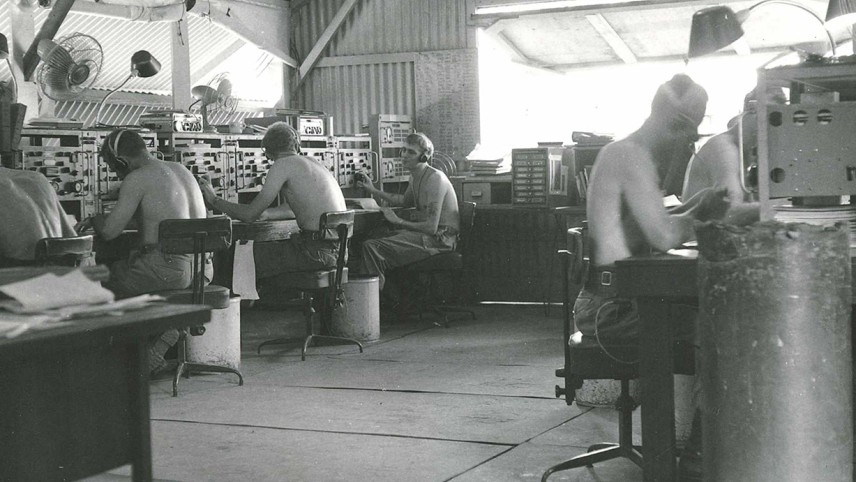
547 Signals Troop operators on watch. Taken from Nui Dat, Vietnam, January 1969 (ASD Records).
DSD is renamed to the Defence Signals Directorate
The Honourable Justice Robert Hope AC QC CMG handed down recommendations from the Royal Commission into Intelligence and Security. Recommendations included renaming the Defence Signals Division to the Defence Signals Directorate (DSD) and formally acknowledging the agency in parliament.
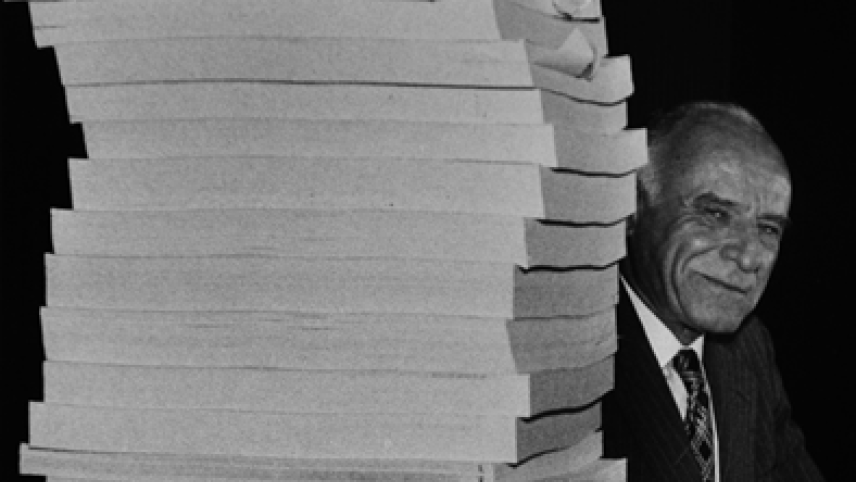
The Honourable Justice Robert Hope AC QC CMG in 1977 (Fairfax Media).
DSD is acknowledged in Australian Parliament
DSD is acknowledged in Australian Parliament in response to the recommendation of the Honourable Justice Hope in the first Hope Royal Commission.
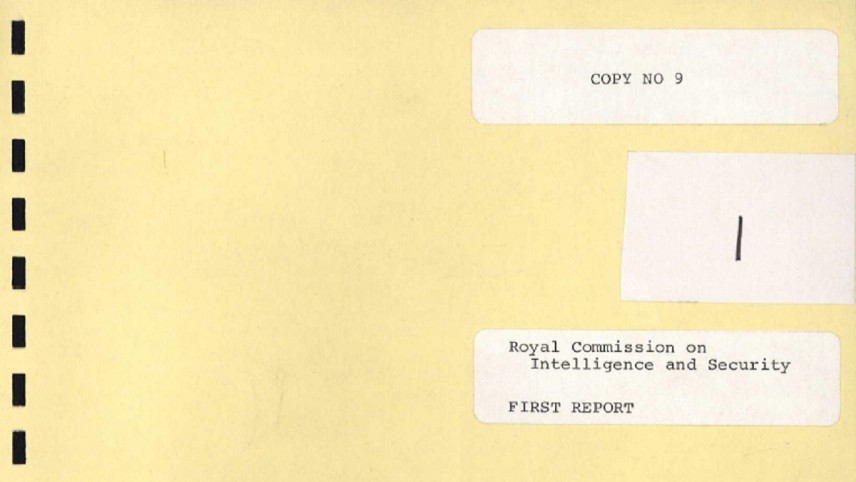
Royal Commission on Intelligence and Security Final Report.
DSD’s role expands
Following recommendations from the second Hope Royal Commission on Australia’s Intelligence and Security Agencies, DSD expanded its role to include government computer security. In 1986, it acquired its first supercomputer, a Cray X-MP/22, the most powerful computer in the Southern Hemisphere at the time.
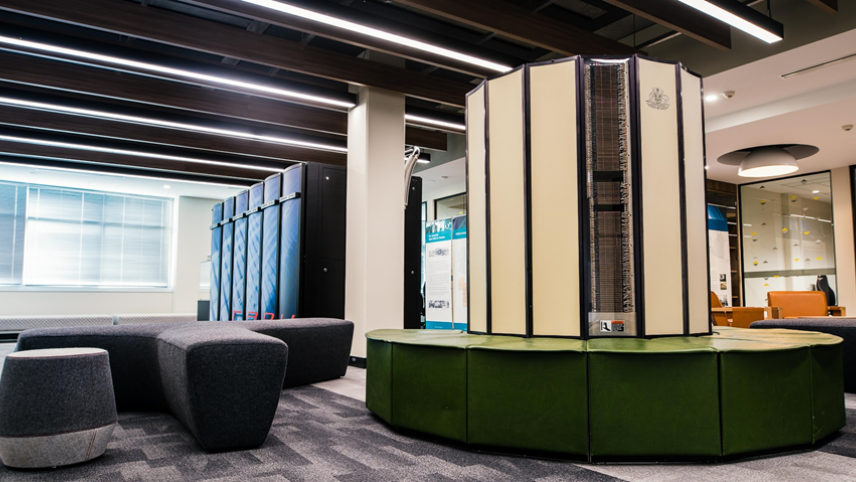
Cray X-MP supercomputer displayed in Brindabella Park, Canberra (ASD Records).
DSD’s headquarters moves to Canberra, ACT
Under Director Garry Marshall’s leadership, DSD established its headquarters in Russell, Canberra.
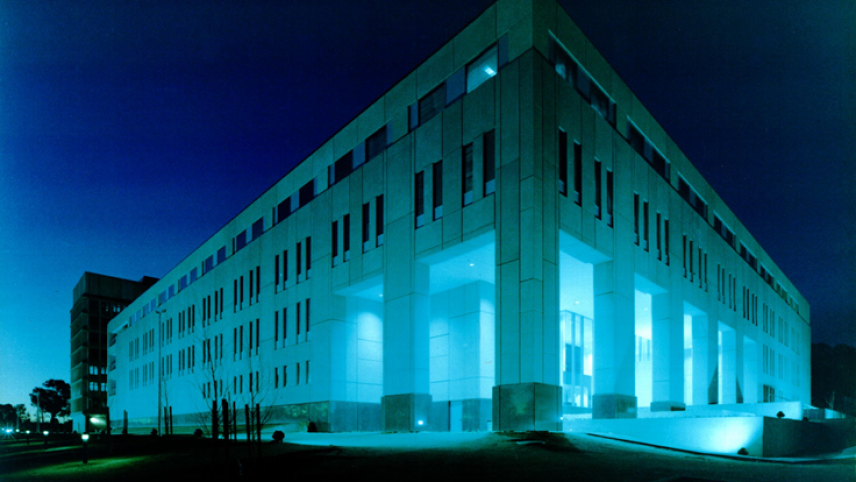
DSD headquarters illuminated at night (ASD Records).
DSD joins the internet age
In 1996, DSD entered the internet age by registering dsd.gov.au and publishing computer security advice online.

Computer screen (ASD Records).
The Intelligence Services Act 2001 (Cth) creates a statutory basis for DSD
The Australian Parliament passed the Intelligence Services Act 2001 (Cth). This Act outlined DSD’s functions, rules and immunities.

Front page of the Intelligence Services Act 2001 (ASD Records).
Cyber Security Operations Centre opens
The Cyber Security Operations Centre (CSOC) under DSD opens. The CSOC was established to identify ICT security threats to Australian government systems and coordinate advice and responses. For the first time, DSD invited media inside its headquarters, marking a significant step in public engagement.
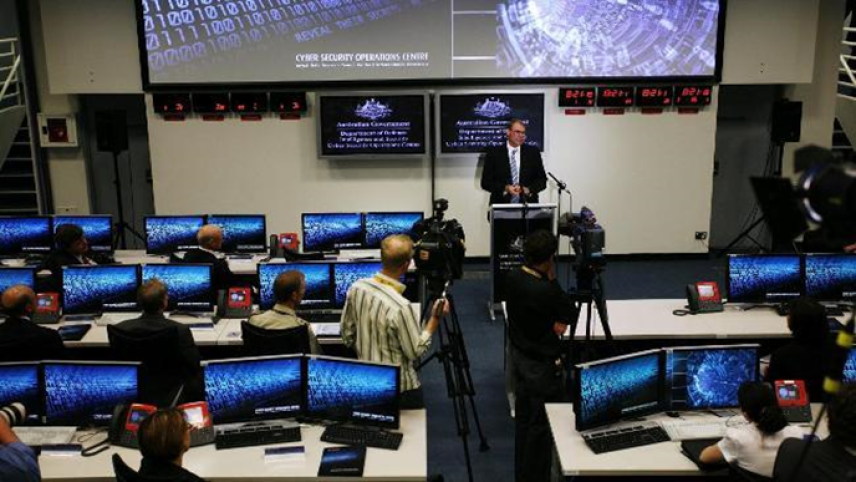
The opening of CSOC on 15 January 2010. (ASD Records).
DSD becomes the Australian Signals Directorate (ASD)
In May 2013, DSD was renamed the Australian Signals Directorate (ASD) to reflect its expanding role in national and cyber security.
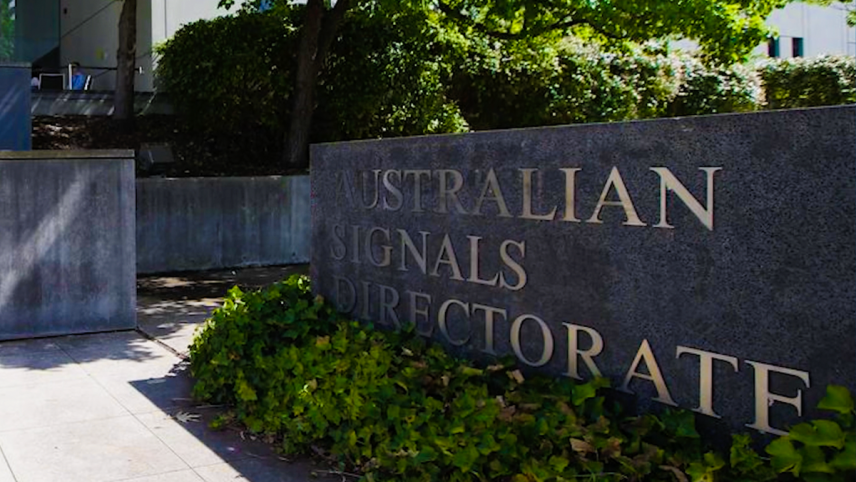
Australian Signals Directorate sign (ASD Records).
CSOC is renamed the Australian Cyber Security Centre (ACSC)
Australian Government agencies, including ASD, the Australian Criminal Intelligence Commission, Australian Federal Police, Australian Security Intelligence Organisation, Defence, and the Defence Intelligence Organisation, collaborated to strengthen CSOC’s cyber intelligence, cyber security and incident response functions. This led to operational changes and its renaming to the Australian Cyber Security Centre (ACSC).
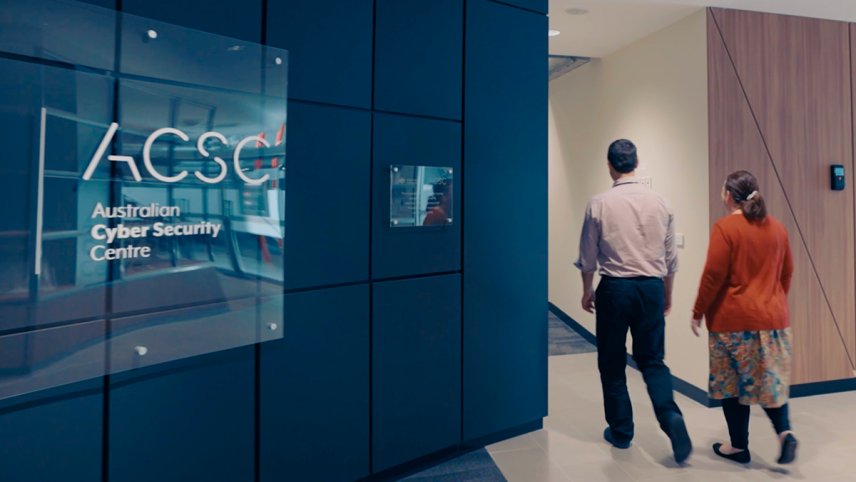
The entrance to the renamed Australian Cyber Security Centre (ASD Records).
ACSC integrates with ASD
The ACSC is integrated with ASD to provide cyber security advice and support across Australia.

Logos of ASD and ACSC (ASD Records).
ASD becomes a statutory agency
ASD became a statutory agency, separate from the Department of Defence and reporting directly to the Minister for Defence.

Australian Signals Directorate.
Rachel Noble PSM is the first woman to be appointed as the Director-General of ASD
In January 2020, Rachel Noble PSM made history as the first woman to lead a statutory intelligence agency in Australia.
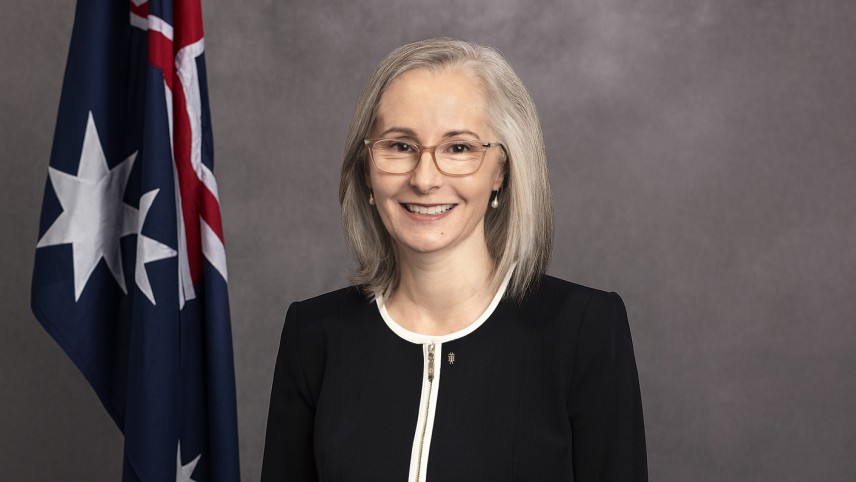
Director-General ASD, Rachel Noble PSM (ASD Records).
COVID-19 impacts Australia and ASD
During the COVID-19 pandemic, ASD experienced a surge in public and government demand for cyber security advice and support. Despite the challenges, ASD maintained its most critical functions, ensuring continuity of operations throughout the crisis.

ASD staff working during COVID-19 (ASD Records).
Project REDSPICE is announced
Announced in the 2022–23 Australian Budget, REDSPICE—Resilience, Effects, Defence, SPace, Intelligence, Cyber, Enablers—marked the most significant single investment in ASD’s history. It expanded ASD’s capabilities, strengthened its resilience, and enhanced its offensive cyber mission.

Cover page of REDSPICE documentation (ASD Records).
Abigail Bradshaw CSC appointed Director-General of ASD
Abigail Bradshaw CSC became Director-General ASD in 2024. Abigail has an extensive background in Defence and national security and was formerly Head of the Australian Cyber Security Centre.
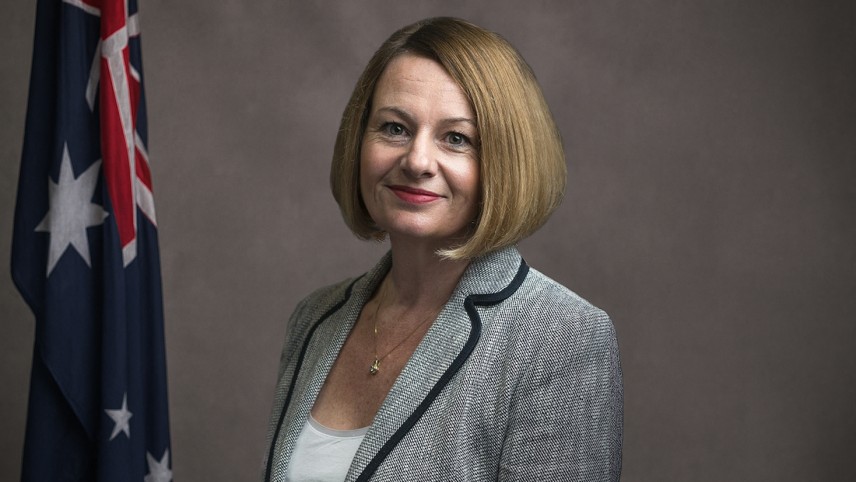
Director-General, Abigail Bradshaw CSC (ASD Records).
ASD opens new State offices
Under REDSPICE, ASD expanded beyond Canberra, opening offices in Perth (2024), and Brisbane and Melbourne (2025). This growth strengthens future capability delivery and helps maintain Australia’s strategic advantage during a time of rising global tensions and increasingly sophisticated cyber threats.

State offices in Perth, Brisbane and Melbourne, Australia.
ASD stories
The Australian Signals Directorate has a rich history. ASD can trace its origins back to the Second World War then was formed as a peacetime signals intelligence organisation in Albert Park, Melbourne. To learn more about ASD’s roots and beginnings, read some of our stories.