Women played a crucial signals intelligence role during the Second World War. The women of No. 11 Cipher Section operated Typex machines to process the huge daily volume of allied coded communications. Former operator Helen Kenny recalled:
"Everything would be spelt out in cipher and you would be receiving these messages in all figures and you would get your code book out. They changed every day or sometimes twice a day, so there would be no repetition because that’s the way they picked it up … Some of it was weather reports, some of it was troop movements …"
Padding was required … to make it more difficult for people who were listening in on us … More or less to put them off the scent … you’d just write a whole lot of drivel.
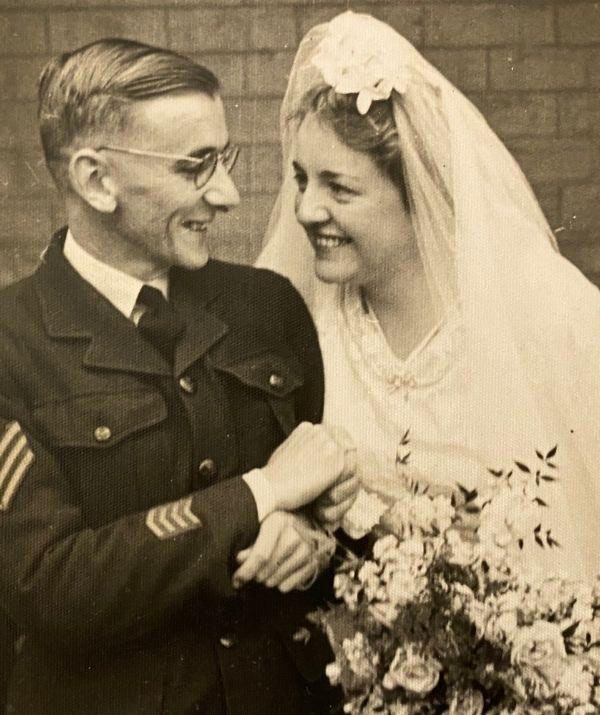
The tedious but highly secret work led to close lifelong bonds and at least one marriage proposal, as Kenny described:
"One of the girls in our unit and a fellow who’d fallen in love, he was in air force or army up in the islands. He managed in the padding to put a little ‘Will you marry me?’ or something. They’ve now been married 50 odd or more years."