ASD’s parent organisations, Central Bureau and FRUMEL, were formed to support military operations during the Second World War. Wherever Australian military forces have served, so have skilled intelligence staff. Whether in the Vietnam War, the First Gulf War, Afghanistan or Iraq, or with international peacekeeping forces in East Timor (Timor-Leste), ASD has faced the unique challenges posed by a rapidly changing world.
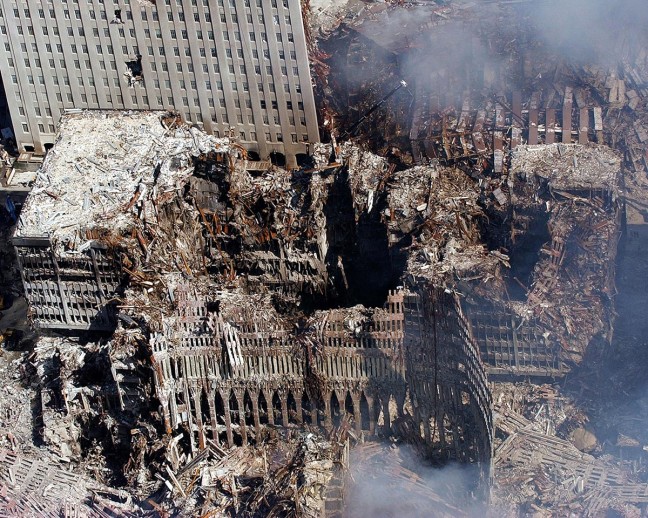
That mission continues to this day. However, in the aftermath of the 9/11 attacks by Al Qaeda against the United States, non-state actors became Australia’s highest security threat, changing the way ASD operated. ASD still intercepts enemy signals and protects Australia’s communications from exploitation. However, it faces immense challenges, both in supporting military operations and in finding ways to meet the changing nature of intelligence work in response to the rise of terrorism.
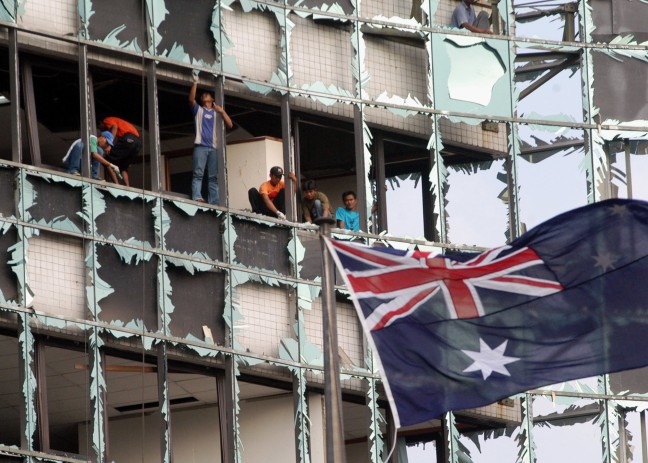
On 9 September 2004, a terrorist detonated a car bomb outside the gates to the Australian Embassy in Jakarta, killing 10 people and wounding more than 140. Coming in the wake of terrorist-related bombings in Indonesia, most notably the 2002 Bali bombings, the embassy bombing demonstrated the ever-present threat of terrorism to Australia and its people. ASD staff continue to work on terrorist threats today.